

Discovery of Lake Titicaca in Bolivia
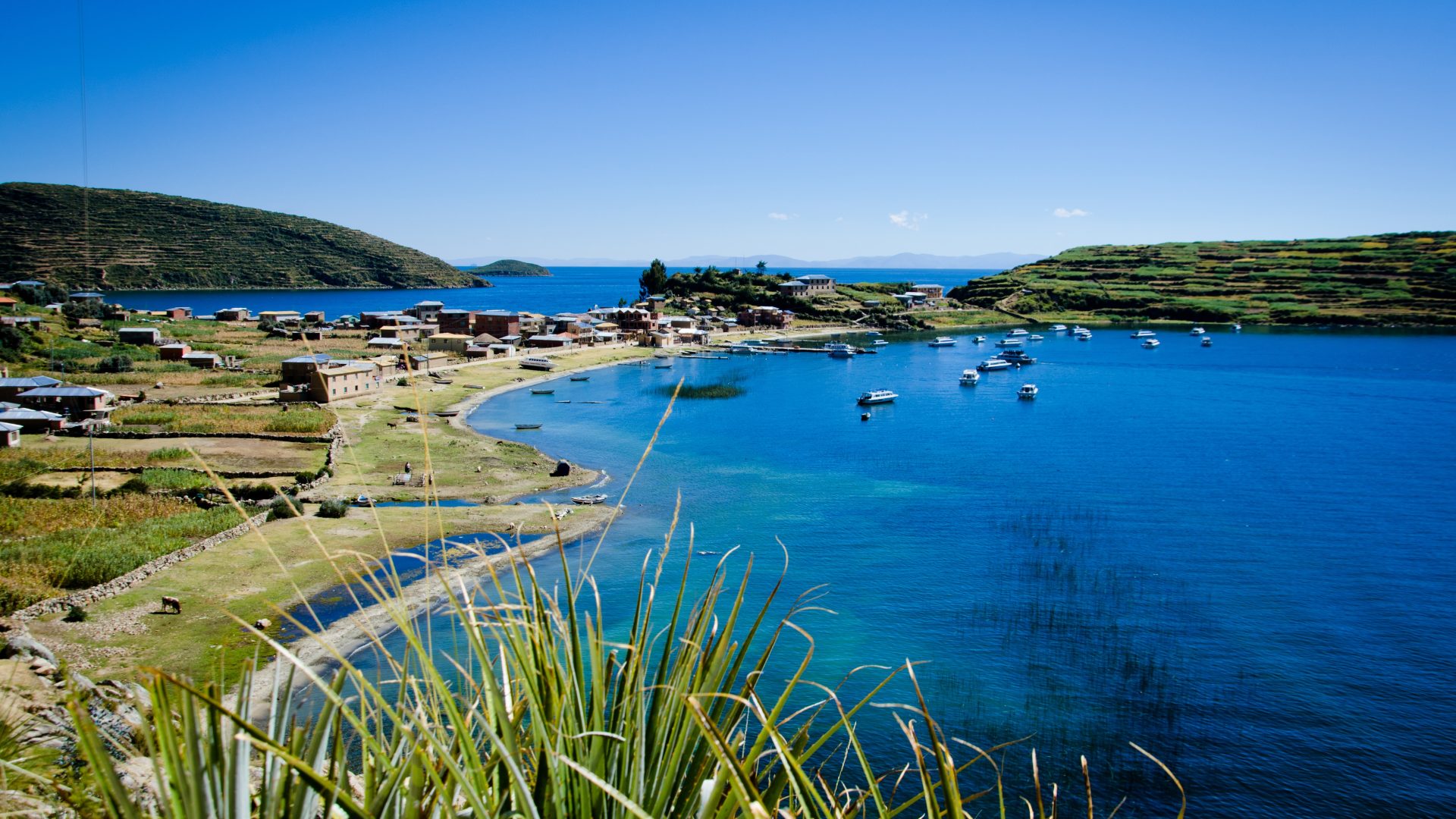
Lake Titicaca, which straddles the border with Peru, evokes images of Greek islands and Norwegian fjords. In 1872, a steamer was hauled to the lake piece by piece and reassembled on its shores. When the ship was put in the water, Titicaca became the highest navigable lake in the world—a title it holds to this day.
Lake Titicaca is the birthplace of two of the largest Andean cultures, the Tiwanaku and the Inca. You can learn about these vast and powerful empires as you trek along the shore of the lake or visit the Islands of the Sun and the Moon.
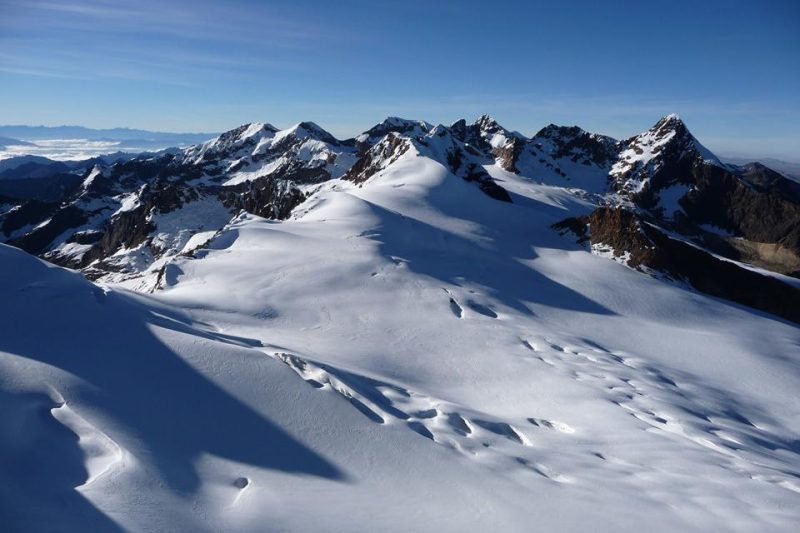
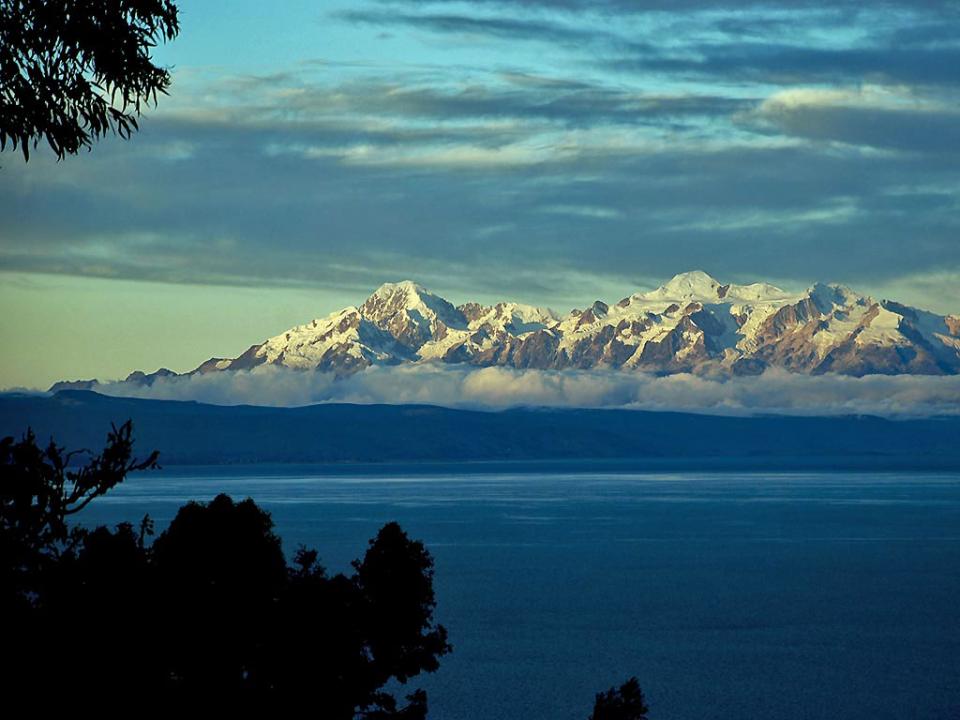
At 3810 meters above sea level, the lake is surrounded by the snowy peaks of the Cordillera range of the Andes Mountains—many of them exceed 6000 meters. The lake seems like a huge blue oasis in the vast desert of the Bolivian altiplano.
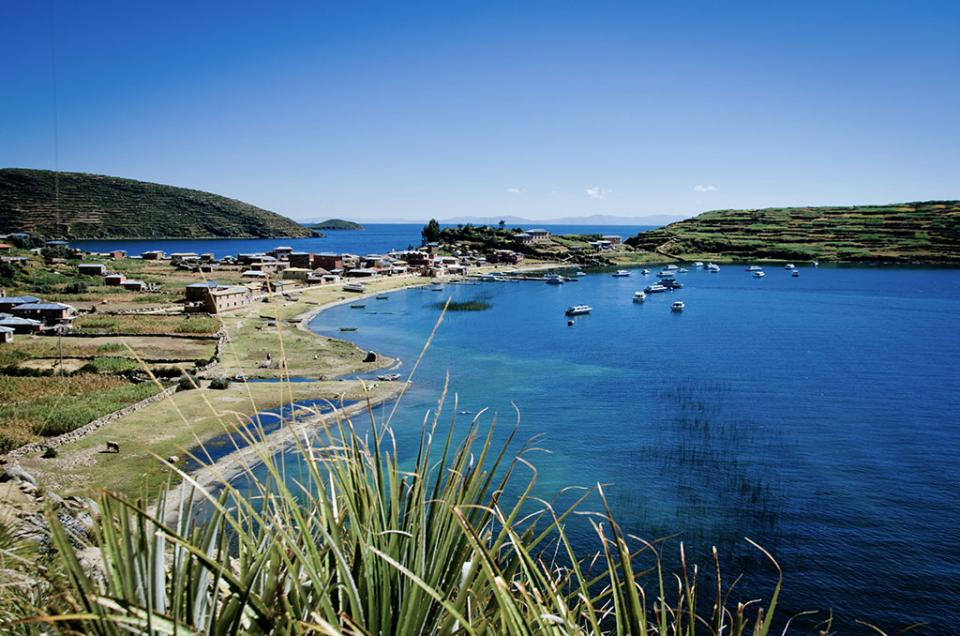
If the site became a natural reserve in 1978 to preserve fauna, flora and the beauty of the landscapes, Titicaca have also a rich archaeological heritage. For example, on the Sun Island, you may admire remains of the Inca Empire, such as the “Roca Sagrada” (Sacred Rock), or after climbing the stairs of Yumani, you’ll reach the Pilkokaina Palace and Chinkana Temple.
The charming city of Copacabana is the embarking point for Titicaca lake islands in Bolivia. The moon Island hosts the Virgins Temple and is a place to see beautiful postal like sunsets.
Titicaca Lake in Bolivia is an inner sea counting with 41 islands, some of them being inhabited yet. Composed of two parts (The Minor and the Major Lakes, separated by the Tiquina Straight), it is the largest lake of South America. It can be visited all year round, but we recommend the period between April and October to enjoy a clearer view.
Discovery of Lake Titicaca in Bolivia
Si le site a été transformé en réserve depuis 1978 pour la protection de la faune, de la flore et de la beauté des paysages, le lac Titicaca est aussi le lieu d’un riche patrimoine archéologique. Ainsi, sur l’Isla del Sol vous pourrez admirer de nombreux vestiges du patrimoine incas, tel que la Roca Sagrada (Roche Sacrée), ou, après avoir grimpé les escaliers de Yumani, vous arriverez au Palais Pilkokaina et au Temple de Chinkana.
La charmante ville de Copacabana sert de point d’embarquement pour les îles du lac de Titicaca en Bolivie. L’Isla de la Luna abrite le Temple des Vierges et est le lieu de magnifiques couchers du soleil dignes de cartes postales.
Le lac Titicaca en Bolivie est une mer intérieure qui compte 41 îles dont certaines sont encore habitées. Composé de deux parties (le lac Majeur et le lac Mineur, sont séparés par le détroit de Tiquina), il est le plus grand lac d’Amérique du Sud. Vous pouvez le visiter toute l’année, mais il est conseillé de privilégier la période entre avril et octobre pour avoir une vue plus dégagée.
Titicaca Lake in Bolivia, much more than breathtaking landscapes
Also worth a look
Other content you might enjoy
Let's talk about your trip
Direct contact with Anne or Jérôme.
Personalised response within 24 hours.